Developing e-portfolios
E-portfolios are an online space where learners can record their achievements and collect examples of their work. E-portfolios don't have to be restricted to institutional provision. Learners can be encouraged to think about setting up “professional personal” sites for exploring and promoting their talents and interests. Or they might want to save or export social networking services activity as evidence of their skills; for example, a forum thread which demonstrates their negotiation skills, or a personal site or post which acts as a great example of their self-motivation and passion.
Literacy and communication skills
Using sites to communicate, collaborate and create means learners use and can develop a wide range of literacy skills.
Collaboration and group work
Young people already use a host of technologies – for instance, instant messaging programs such as MSN – to work together on an anytime, anywhere basis. By using social networking services' collaborative tools or setting up groups, young people can semi-formalise their efforts and document discussions and milestones as they go.
Learning about data protection and copyright issues
Data protection is an important issue for anyone who creates, uploads or downloads content online. Young people should consider who has permission to use online content. Considering the benefits of making it easier for others to use or reuse content, looking at the commercial implications of licensing, and understanding what kinds of permissions service providers request, is a compelling way to start investigating differences in licensing agreements (for example, Creative Commons licensing) and the terms of service agreements. Equipping young people to fully understand what permissions they can choose or agree to is an important digital literacy skill which can help develop creative, social or entrepreneurial skills.
Learning about self-representation and presentation – thinking about how you might be viewed across different contexts
An important part of digital literacy is understanding how distributed activity – the things that we do across a wide range of different websites – affects the impression we make on other people. Managing our web presence – understanding how to use permissions to keep information private or share it with specific individuals – is essential for getting the most out of communications platforms and for keeping control of any personal information that we choose to share. Thinking through personal rules for sharing or making information public is a useful strategy.
Learning about e-safety issues
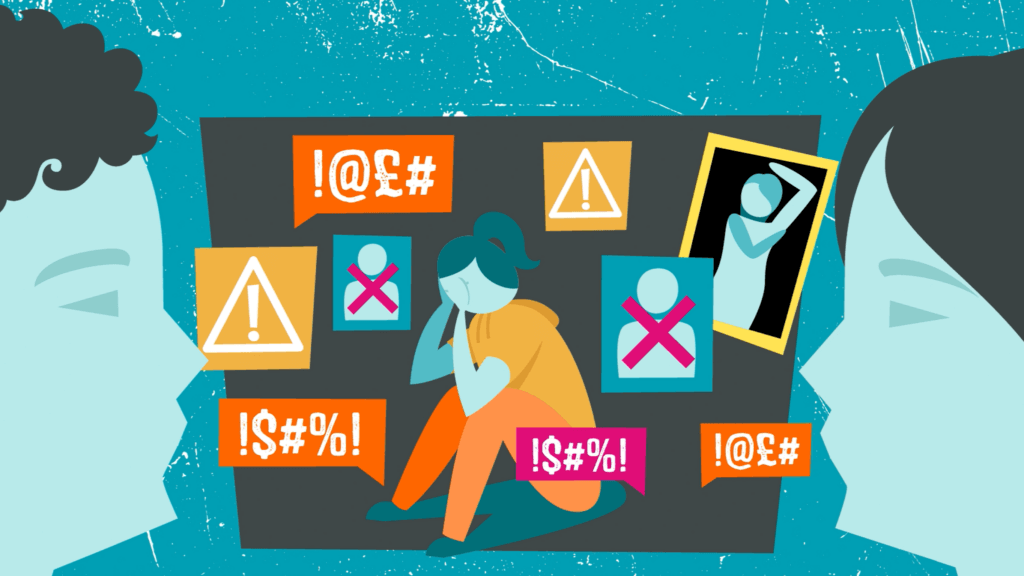
E-safety covers a range of online issues but ties in firmly to the real world: staying safe, keeping personal information safe, protecting yourself and your belongings. Making sure that we don't participate in bullying or other anti-social behaviour, and helping out other people who might affected by these issues, is a key part of digital citizenship.
Producing public showcases for work, events or organisations
Social networking services can be a great way to quickly create websites to advertise or showcase events or groups, or to present work.
Forming communities of practice
Educators have long recognised the value of using blogs as a way of creating, making visible and fostering networks around particular topics or interests. More recently, educators have been exploring the range of Web 2.0 tools: wikis, virtual worlds and social networking services, including video- and photo-management sites. Educators and other professionals are increasingly using social networking services to form communities and connect to others who share their interests. Ning in Education and Second Life Grid are examples of umbrella groups that support educators using or wanting to use Web 2.0 tools for education.
Organising and scheduling work (time management)
Most social networking services have calendar tools that learners can use to schedule their personal and educational timetables. Some can export or import events from other web-based calendars, or third-party applications may exist that can help with this. Working publicly or in groups where others share your calendar or events can be a great motivator.
Being where learners are
In addition to providing a whole community with useful information about a school, college, organisation or event, a profile on a social network sends a clear message to learners that you are aware of the types of spaces they enjoy online. This is a good reminder that these spaces are public and inhabited by people who may not necessarily be within their friendship networks, encouraging them to look at issues around permissions and sharing personal information. During Childnet's research into cyberbullying, children and young people said that one of the reasons they wouldn't tell their teachers about being bullied online was that they didn't think staff understood the types of services they used. Asserting a presence online sends a clear message that you know what services that are popular with your learners and understand the usefulness of these services to them, and that you would understand if they had a problem and wanted to come and talk to you about it.